The Complete Guide to Driveway Cleaning in Cairns Homes
Driveways in Cairns face a tougher environment than those in most Australian cities. Tropical Far North Queensland brings high humidity, heavy wet-season rainfall, intense UV and year-round warmth, which together create ideal conditions for mould, algae, moss and stubborn staining. This guide explains what affects your driveway, how to clean it safely and effectively, and how to keep it looking good through every season.
Why Driveways Get Dirty So Quickly in Cairns
Cairns sits in a wet tropical climate, with annual rainfall that often exceeds 2,000 mm and a wet season that typically runs from December through April. Moisture rarely stays away for long, and surfaces in shaded or sheltered areas can remain damp for days. That moisture feeds biological growth on concrete, pavers, exposed aggregate and asphalt.
Common Types of Driveway Staining
- Black mould and algae: Dark streaks and patches, especially in shaded areas, beneath trees and along driveway edges where water pools.
- Green moss and lichen: Often found in cracks, paver joints and areas with poor drainage.
- Tannin stains: Brown marks from fallen leaves, mango and palm fruit, and other tropical vegetation.
- Oil and grease: Dark spots from vehicle leaks that soak into porous concrete.
- Rust stains: Orange marks from metal furniture, tools, bore water or irrigation overspray.
- Red soil and mud: Fine earth from garden beds and runoff, particularly after heavy rain.
- Tyre marks: Rubber transfer from parked or turning vehicles.
Know Your Driveway Surface
The right cleaning method depends heavily on what your driveway is made from. Using the wrong pressure or chemical can cause permanent damage.
Plain and Broom-Finished Concrete
Concrete is the most common driveway surface in Cairns. It is durable and handles high-pressure cleaning well, but it is porous, so oil and organic stains can penetrate deeply if left untreated.
Exposed Aggregate
Exposed aggregate is attractive but vulnerable. Excessive pressure can dislodge stones and roughen the surface. Use moderate pressure and keep the nozzle at a consistent distance.
Concrete and Clay Pavers
Pavers are prone to moss and weed growth in the joints. Aggressive pressure washing can wash out the jointing sand, causing pavers to shift. Plan to re-sand the joints after cleaning.
Stamped or Coloured Concrete
Decorative finishes often have a sealer or colour hardener that can be stripped by harsh chemicals or high pressure. Check the finish and use gentler methods.

Asphalt and Bitumen
Asphalt softens in heat and can be damaged by solvents and strong pressure. In Cairns, where surface temperatures climb quickly, this surface needs a gentle approach and mild detergents.
Driveway Cleaning Methods
Pressure Washing
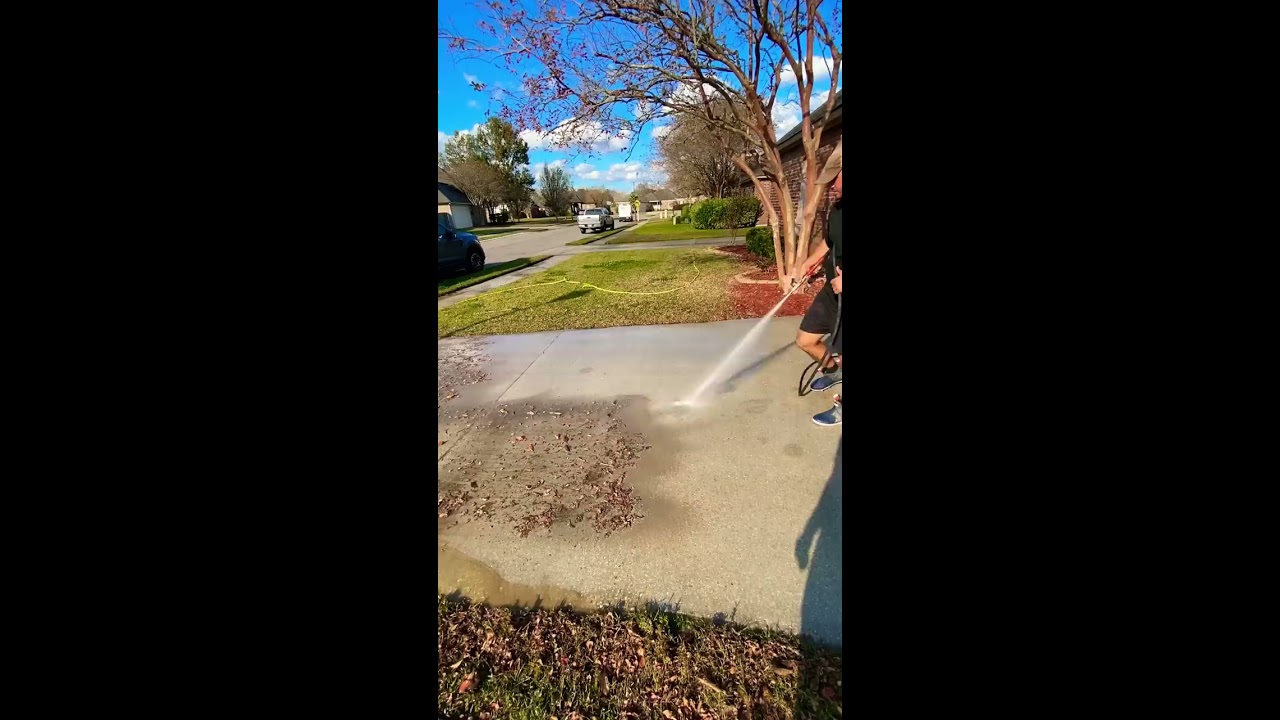
Pressure washing is the most popular method for removing built-up grime, mould and algae. A pressure of roughly 2,000 to 3,000 PSI suits most concrete driveways, while pavers and exposed aggregate generally need lower settings. A surface cleaner attachment, which looks like a rotating disc, gives a more even result and avoids the stripes that a bare wand often leaves.
Soft Washing
Soft washing uses low pressure combined with a cleaning solution, commonly a diluted sodium hypochlorite mix with a surfactant, to kill mould and algae at the root. It is useful for delicate surfaces and https://cesarbdok022.dovetailscope.com/posts/pressure-washing-vs-soft-washing-which-does-cairns-need helps slow regrowth, which matters in the Cairns climate.
Hot Water Cleaning
Hot water is effective at lifting grease and oil. Professionals often use hot water units for commercial-grade results on heavily stained driveways.
Manual Scrubbing and Spot Treatment
For small oil spots or rust marks, targeted treatment with a degreaser or a rust remover and a stiff brush can be enough, without needing to clean the whole surface.
Step-by-Step: Cleaning Your Driveway Yourself
- Clear the area. Remove vehicles, bins, pots and loose debris. Sweep away leaves, dirt and gravel.
- Protect surroundings. Cover or wet nearby plants, and check where runoff will flow. Keep water away from sensitive garden beds.
- Pre-treat stains. Apply a degreaser to oil spots and let it sit for the time recommended on the label. Apply a mould and algae treatment to dark or green areas.
- Test a small area. Try your pressure setting and nozzle on an inconspicuous section first.
- Wash systematically. Work in overlapping strips from the highest point to the lowest, keeping the nozzle at a steady distance. A surface cleaner attachment helps maintain consistency.
- Rinse thoroughly. Remove all detergent and loosened dirt so residue does not leave streaks or attract new growth.
- Allow to dry. Give the surface time to dry fully before driving on it or applying any sealer.
Safety and Environmental Responsibilities
Cleaning a driveway involves water, chemicals and electricity, so a few precautions matter.
Stormwater awareness: In Queensland, stormwater drains flow directly to creeks and waterways, and ultimately toward the Great Barrier Reef catchment. Detergents, oils and chemical-laden wash water should not enter the stormwater system. Where possible, divert wash water onto a lawn or garden area that can absorb it, or capture it for proper disposal. Choose biodegradable products and use chemicals sparingly.
Personal protection: Wear closed non-slip footwear, eye protection and gloves. Pressure washers can cause serious injuries, and wet concrete is slippery.
Chemical handling: Never mix bleach-based products with acidic cleaners or ammonia-based products, as this can release hazardous gases. Always follow label directions.
Water use: Pressure washing is more water-efficient than hosing, but it is still worth checking for any local water restrictions or council guidance before starting a large job.
When to Hire a Professional
DIY cleaning suits small, lightly soiled driveways. Consider a professional driveway cleaning service in Cairns when:

- The driveway is large, steep or has multiple levels.
- Staining is deep, widespread or long-standing.
- You have delicate surfaces such as stamped concrete or older pavers.
- Mould and algae return quickly after DIY cleaning.
- You want sealing, joint re-sanding or repair work done as part of the job.
- You do not own suitable equipment or are uncomfortable using it.
When choosing a provider, ask whether they carry public liability insurance, how they manage wash water, what pressure settings they use for your surface type, and whether they offer treatments that help prevent regrowth.
Sealing Your Driveway After Cleaning
Sealing is one of the most effective ways to protect a clean driveway. A quality sealer reduces porosity, which makes oil and organic stains easier to remove and slows mould colonisation. Sealers also help protect against UV and moisture, both significant factors in Far North Queensland.
Common options include penetrating sealers, which soak into the concrete without changing its appearance much, and film-forming acrylic or polyurethane sealers, which add a visible finish and sometimes enhance colour. Some film-forming sealers can become slippery when wet, so ask about anti-slip additives, particularly for sloped driveways. The surface must be completely clean and dry before sealing, and in the wet season you may need to wait for a stretch of settled weather.
Best Time of Year to Clean in Cairns
The dry season, roughly May to October, offers more predictable weather, faster drying times and better conditions for sealing. Cleaning at the end of the wet season is also popular, as it removes the growth accumulated over months of rain and humidity. Many homeowners schedule a clean once a year, with an extra spot clean or light wash after the wet season peak if needed.
Preventing Mould and Stains Between Cleans
Trim Back Vegetation
Cutting back overhanging branches increases sunlight and airflow, helping the driveway dry faster. It also reduces leaf and fruit drop that causes tannin staining.
Improve Drainage
Standing water encourages growth. Check that the driveway slopes away from the house, clear drains and grates regularly, and address any low spots where water pools.
Sweep Regularly
A quick sweep every week or two removes organic material before it breaks down and stains the surface.
Deal with Spills Promptly
Soak up fresh oil with an absorbent material such as kitty litter or a commercial absorbent, then scrub with degreaser. Prompt action prevents deep penetration.
Use Preventative Treatments
Periodic application of a mould-inhibiting treatment can extend the time between full cleans, particularly in shaded areas.
Common Mistakes to Avoid
Using too much pressure: This can etch concrete, expose aggregate, damage pavers and leave permanent lines. Skipping pre-treatment: Pressure alone often removes surface dirt but leaves mould roots, so growth returns quickly. Washing into storm drains: This can breach environmental rules and harm local waterways. Sealing too early: Trapped moisture can cause cloudy or peeling sealer. Ignoring cracks: Water entering cracks accelerates deterioration and weed growth, so repair them promptly.
How Much Does Driveway Cleaning Cost in Cairns?
Pricing varies with driveway size, surface type, level of staining and access. Most professionals quote per square metre or provide a fixed price after assessing the job. Add-ons such as sealing, mould-prevention treatments, paver re-sanding and heavy oil removal will increase the total. Getting at least two or three written quotes lets you compare inclusions, not just price.
Final Thoughts
A clean driveway improves your home's street appeal, extends the life of the surface and makes outdoor areas safer by reducing slippery mould and algae. In Cairns, where warmth and moisture drive constant regrowth, a sensible routine of annual cleaning, smart drainage, vegetation management and sealing will keep your driveway in good condition into 2027 and beyond. Whether you tackle it yourself or call in a local professional, matching the method to your surface and protecting nearby waterways will deliver the best long-term result.
Expert Pressure Cleaning Cairns
(07) 4058 8889